

The Power of Sound Healing
A cancer diagnosis changes more than physical health. It can bring waves of stress, sleepless nights, emotional overwhelm, and a constant sense of uncertainty about what comes next. For many patients and caregivers, finding even small moments of calm can become an important part of navigating the journey.
Practices that support relaxation and nervous system regulation are becoming an increasingly valuable complement to medical care. One approach that many people are curious about is sound healing.
At Chemo Companions, we believe supportive care should address the whole experience of cancer, not just the physical symptoms. We’re grateful to highlight Katie’s work in this space. Below, Katie shares more about what sound healing is and how it can be used thoughtfully and safely as part of a broader care plan.
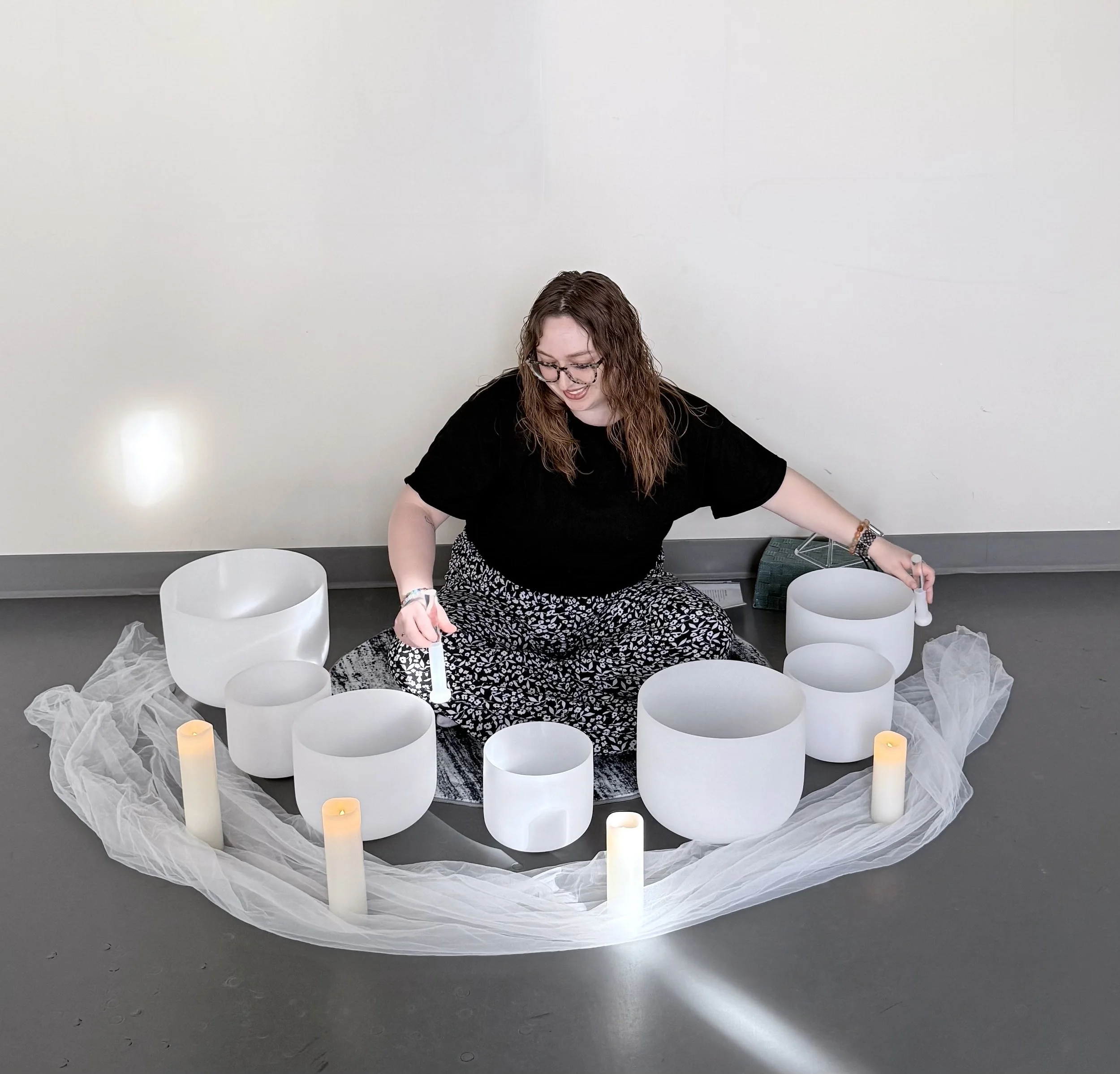
Sound healing can be a supportive, complementary practice for someone with cancer, but it is not a cure or replacement for medical treatment. It is often used to support comfort, emotional balance, and relaxation during treatment and recovery.
Sound therapy (such as singing bowls, tuning forks, gongs, or calming frequency music) may help reduce stress and anxiety by calming the nervous system and promoting relaxation. Lower stress can support overall well-being and help the body cope with treatment.
It may also assist with symptom support, as some people report reduced pain perception, improved sleep, less nausea, and decreased fatigue. Relaxing sound can help shift the body into a “rest and restore” state.
Emotionally and spiritually, sound healing can create space for processing fear, grief, and life changes, while promoting grounding, meditation, and a sense of connection or peace.
Many practices include breathwork and gentle vibration, which may help regulate heart rate, support breathing, and encourage relaxation.
Sound healing should always be used alongside medical care. Sessions should be gentle, and individuals should consult their healthcare provider if they have sound sensitivity, seizure disorders, brain tumors, or implanted medical devices.
Common gentle approaches include listening to calming music, sound baths, soft singing bowls, humming/toning, or nature sounds.
By Katiemarie McMenemy, Heartfelt Souls